
Satellite Communication Model
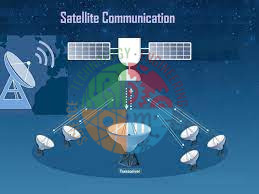
Product Code : SCL-PLE-11528
Quick Answer: The Satellite Communication Model shows a satellite orbiting the Earth with ground stations that send and receive signals. It explains uplink, from Earth to satellite, and downlink, from satellite back to Earth, as used for television, GPS and internet services.
Last updated: 18 October 2026
Key Features
- Satellite unit, Earth base, antenna dishes and signal indicators.
- Demonstrates uplink and downlink signal paths.
- Relates satellites to television broadcasting, GPS and internet links.
- Suited to secondary and higher secondary STEM lessons and exhibitions.
Technical Specifications
| Specification | Value |
|---|---|
| Components | Satellite unit, Earth base, antenna dishes, signal indicators |
| Signal paths shown | Uplink (Earth to satellite), downlink (satellite to Earth) |
How It Is Used
Students first identify the satellite and the ground stations. The teacher then traces a signal from an Earth station up to the satellite and back down to a receiving dish, explaining each leg, and uses examples such as television broadcasting or GPS to connect the model with everyday technology.
Frequently Asked Questions
What is the difference between uplink and downlink on the Satellite Communication Model?
Uplink is the signal sent from an Earth station up to the satellite; downlink is the signal sent from the satellite back down to Earth.
Related Physics Lab Equipment
See the full physics lab equipment range, or these related space science models:
- Rocket to Moon Model
- Solar System Manual Model
- Astronomy Lab Kit
- Mini Telescope
- Constellation Viewer Model
The Satellite Communication Model is available for export to schools and laboratories in Rwanda, Ghana, Trinidad and Tobago, Ecuador and Syria.
For a quotation on the Satellite Communication Model, contact JLab India on +91-8569909696.


